

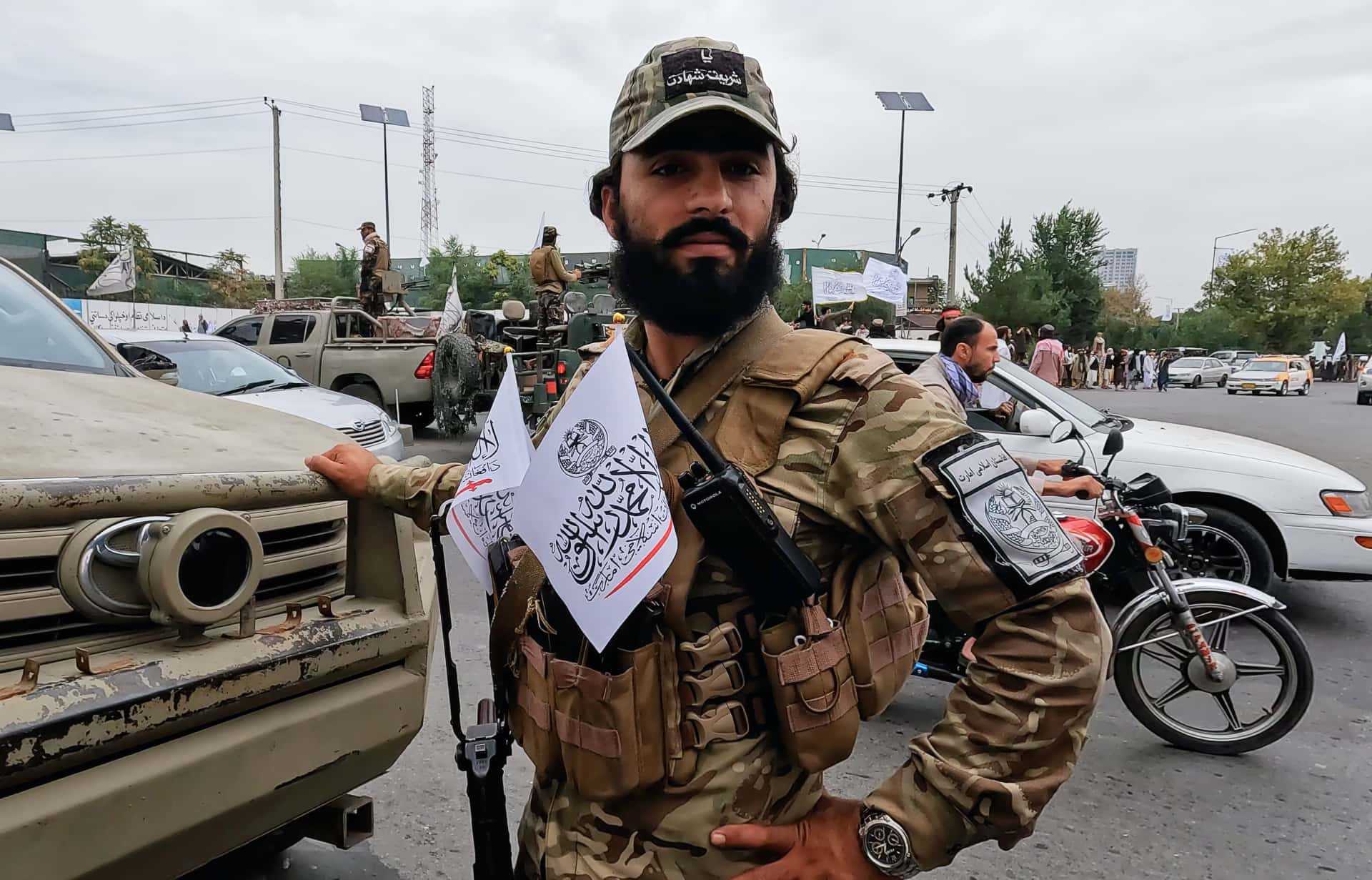
South Asia’s most combustible frontier has begun to glow again. Pakistani strikes on Kabul, Paktia and Kandahar followed a night of cross-border fighting and signalled the most serious rupture since the Qatar-brokered ceasefire of 2025.
Officials in Islamabad claim that the bombardment killed more than a hundred Taliban figures and wounded many more, while Kabul insists Pakistani positions suffered heavily the previous evening.
Facts are scarce, anger abundant and the arithmetic of retaliation now familiar along a 2,611 km border that neither side truly accepts.
Pakistan accuses the Taliban authorities of harbouring militants who slip across the frontier to stage attacks inside Pakistan. Afghan leaders reply that Pakistani aircraft and artillery have struck Afghan territory repeatedly in recent months.
Khawaja Mohammad Asif, Pakistan’s defence minister, dispensed with diplomatic varnish and declared, “Our patience has now run out. Now it is open war between us.”
Mr Shehbaz Sharif, the Pakistani prime minister, adopted a tone both martial and theatrical, insisting the armed forces would “crush aggressors”.
Afghan officials say dozens of Pakistani soldiers died in Thursday’s clashes and that multiple army posts were destroyed.
Islamabad denies that any troops were captured. Meanwhile civilians along the frontier move in the opposite direction from the rhetoric, gathering belongings, abandoning camps and searching for safer ground.
Refugees near Torkham have already fled bombardment that reportedly killed women and children.
The ceasefire negotiated with the help of Qatar and Turkey in 2025 now appears less like a settlement than a pause that allowed grievances to ferment.
The deeper dispute rests on geography and legitimacy. The Durand Line, drawn in the nineteenth century, slices through tribes, trade routes and political pride.
Afghanistan has never formally recognised it, Pakistan treats it as settled fact and militants exploit the ambiguity with entrepreneurial zeal.
Until Islamabad and Kabul discover a substitute for artillery shells as their primary medium of bilateral communication, the prospect of a stable South Asia will remain illusive.